Kids
Raising Resilient Kids in an Overstimulated World
Resilience is not a personality trait children either have or lack. It is a capacity that gets built — or crowded out.
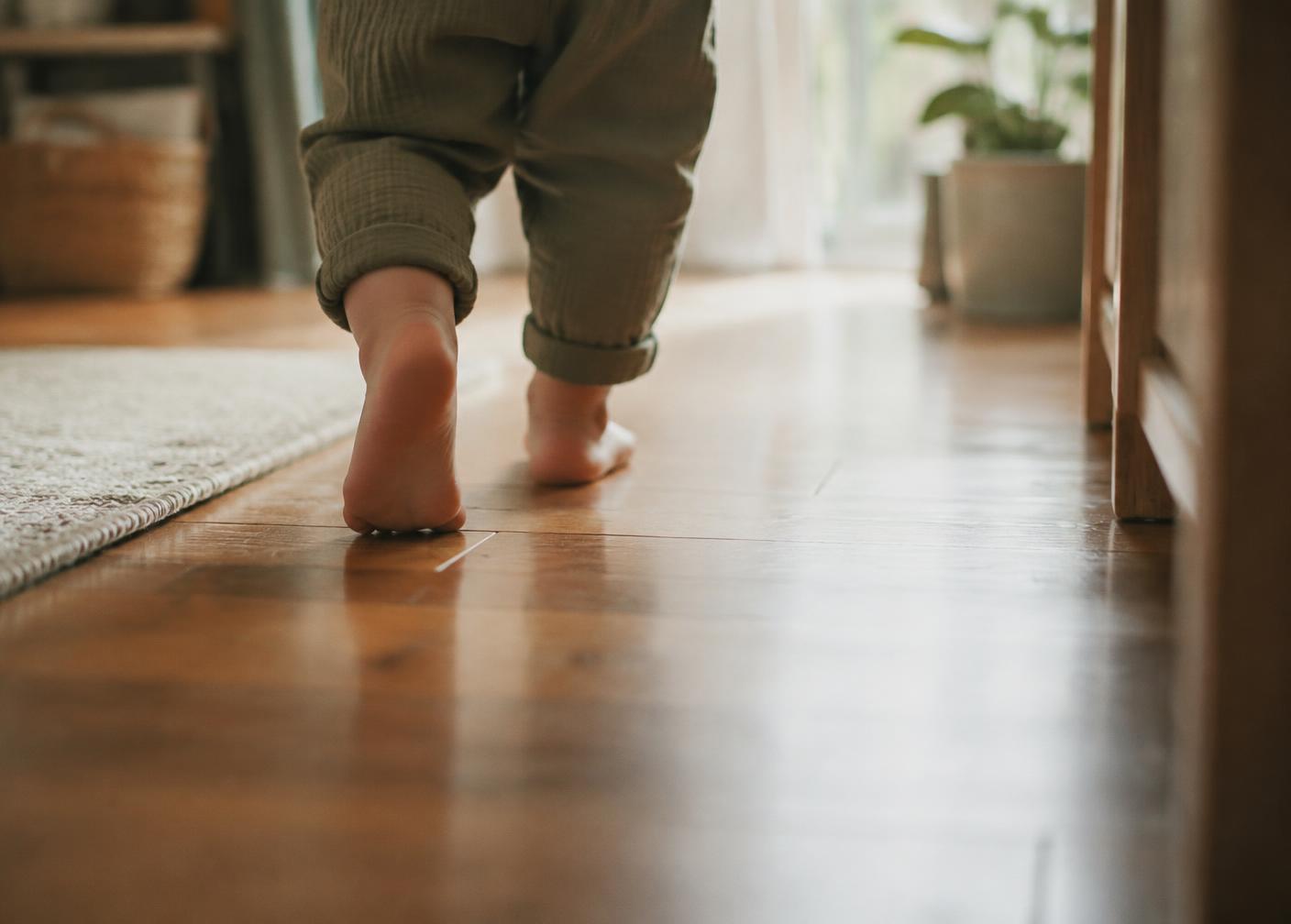
Parents ask me constantly how to raise resilient children, and I think the word has been slightly mangled by the way we use it. Resilience is not toughness, and it is not the ability to endure unlimited demand without complaint. Physiologically, resilience is the ability to be stressed and then return to baseline.
Which means it is built the same way any capacity is built: load, then recovery.
The recovery half is what is missing
Modern childhood is not short on load. Between school, structured activity, screens, social comparison, and constant sensory input, most children have plenty of demand. What has quietly disappeared is the other half — unstructured, unstimulated, physically varied, genuinely boring time.
A nervous system that never gets to come down does not become stronger. It becomes reactive. In children this often looks like difficulty settling at night, big emotional swings, complaints of headaches or stomach aches with no clear cause, and an unusually short fuse in the evenings.
What I suggest to families
- Protect one unstructured stretch each day. Not screen time — actual open time.
- Prioritise physical play in varied environments over repetitive single-sport training, especially before adolescence.
- Make the last hour before bed genuinely low-stimulation, and keep it consistent.
- Let children experience manageable difficulty. Removing all friction removes the training stimulus.
- Watch the pattern over weeks, not days. Children fluctuate; trends are the signal.
The part parents find hardest
It is usually not the child's schedule. It is the family's. Children calibrate to the nervous systems around them, and a household running permanently at capacity teaches a specific lesson about what normal feels like.
I say this without judgement — I am raising a family too, and no one manages this perfectly. But if you are looking for the highest-leverage change available to most families, it is rarely a supplement or a program. It is slowing the household down.
Content on this website is educational and informational in nature and is not intended as a substitute for individualized medical advice, diagnosis, or treatment.
Admin placeholder
Sources & references
Related essays
Nervous System
Why Your Nervous System Matters More Than You Think
We talk about diet, sleep, and exercise as though they act on the body directly. They don't. They act through the system that interprets and coordinates everything — and that system deserves far more of our attention.
Pregnancy
Pregnancy Isn't a Condition to Survive
Discomfort in pregnancy is common. That does not make every part of it inevitable, and it does not mean a woman should be told to simply wait it out.
Natural Health
The Problem With Waiting Until Something Hurts
Most people's health strategy is a reaction plan. It works — right up until the moment it doesn't, and by then the options are narrower than they needed to be.
Newsletter
Notes From Dr. Anne-Marie
Occasional thoughts about health, family, the nervous system, and living well.